
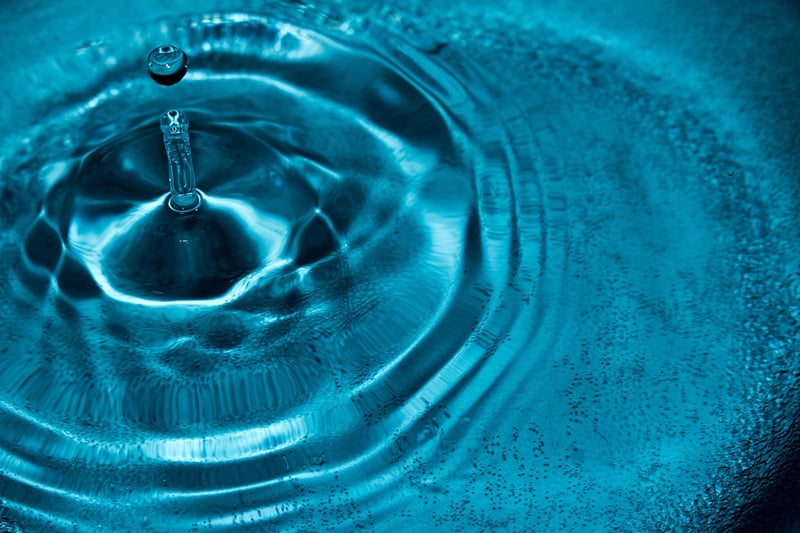
Master the Art of Capturing Stunning Underwater Images
Introduction
Underwater photography is a mesmerizing art form that allows you to capture the beauty of the underwater world. Whether you are a beginner or a seasoned photographer, mastering the techniques for capturing stunning underwater images can elevate your photography skills to new depths.
Understanding Natural Light Capture
One of the key elements in underwater photography is mastering natural light capture. Light behaves differently underwater compared to on land, and understanding how to work with natural light is essential for creating captivating images.
Tips for Natural Light Capture:
- 1. Time your dives: Plan your dives during the best times of the day for natural light, such as early morning or late afternoon when the sunlight creates beautiful rays underwater.
- 2. Use the sun as your light source: Position yourself relative to the sun to create stunning effects like sunbursts or light rays filtering through the water.
- 3. Avoid harsh midday sun: Direct overhead sunlight can create harsh shadows and blown-out highlights in your images. Opt for softer light by shooting at angles or using natural shading.
- 4. Embrace natural backdrops: Use the natural surroundings like corals, rocks, or kelp forests to enhance your composition and add depth to your images.
Mastering Underwater Photography Techniques
Aside from natural light capture, mastering specific underwater photography techniques can help you create stunning images that stand out. From proper buoyancy control to understanding white balance underwater, honing these skills is crucial for achieving professional-quality results.
Essential Techniques for Underwater Photography:
- 1. Perfect your buoyancy: Maintaining proper buoyancy control is essential for staying steady and capturing sharp images without disturbing the marine life.
- 2. Understand white balance: Water absorbs different colors at varying depths, affecting the color temperature of your images. Adjust your camera's white balance settings to achieve accurate colors.
- 3. Get close to your subject: Water reduces visibility, so getting close to your subject helps eliminate particles in the water and capture clearer, more detailed shots.
- 4. Experiment with composition: Play with different angles, perspectives, and framing techniques to create visually engaging underwater compositions.
Conclusion
Mastering the art of capturing stunning underwater images requires a combination of technical skills, creativity, and a deep understanding of the underwater environment. By honing your natural light capture techniques and mastering underwater photography skills, you can elevate your underwater images to new heights and create captivating visuals that showcase the beauty of the underwater world.
Start your underwater photography journey today and immerse yourself in the magical world beneath the surface!